
Posts by Jaxon Texas
Pros and Cons of Soundproofing Your Rental Property for Musician Tenants
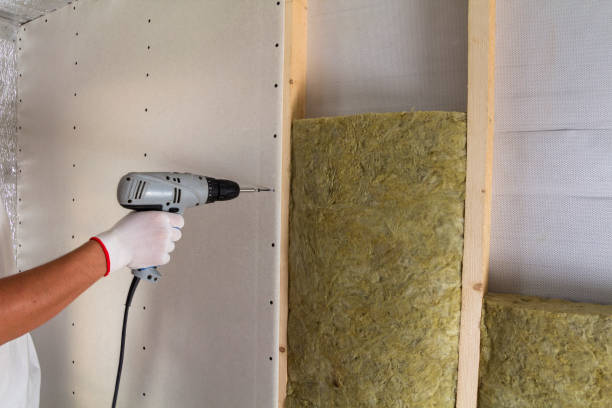
Attracting tenants that suit landlords’ properties is key to securing long-term success and steady income streams. Musicians frequently search out rentals in areas with an active music scene so that they can practice without disrupting neighbors. Soundproofing rental properties is one way of meeting this need; this investment has its own set of benefits as…
Read MoreRental Properties and Cultural Challenges: How to Improve Tenant Retention

Rental properties can often serve as melting pots of cultures, particularly in urban areas with increasing immigrant populations. Cultural diversity presents both benefits and drawbacks to landlords and managers, including building vibrant communities that welcome everyone, yet understanding differences may hinder communication, tenant expectations, and satisfaction; critical aspects to improving retention efforts for stable rental…
Read MoreThe Importance of Routine Property Inspections and Tips for Tackling Common Challenges

Property management cannot be completed successfully without regular property inspections, whether managing single-family rentals or large portfolios of multi-family properties. Regular inspections help to ensure the property remains in good shape, lease agreements are adhered to, and any minor problems are taken care of before becoming costly issues. Understanding their importance and knowing how best…
Read MoreHow Property Managers Can Handle Problematic Tenants Effectively

Property managers face the difficult challenge of dealing with difficult tenants. Effective management is necessary in order to maintain a peaceful environment and safeguard the investment of the owner, so property managers must take a proactive, strategic approach in dealing with such tenants who cause disruptions, damage property, or do not meet financial obligations. They…
Read MoreThe Challenges of Rental Property in Flooded Areas: What Landlords Must Know
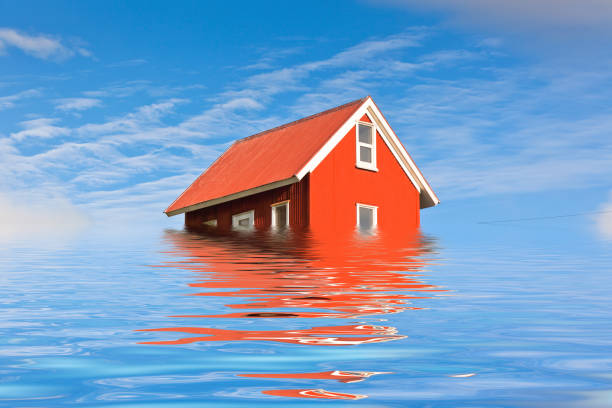
Renting out property can be an excellent investment. However, landlords who have units located in flood-prone areas face unique challenges. Flooded areas present higher risks, unexpected costs, and complicated responsibilities, which may ultimately compromise profitability and tenant satisfaction. Understanding these unique difficulties for rental properties located in these flooded regions is paramount in making wise…
Read MoreTop Causes of Deterioration in Rental Property You Shouldn’t Ignore

Renting out property can be a lucrative source of income. But with that comes a responsibility: maintaining its condition. Unfortunately, many landlords ignore signs of wear and tear, which could lead to costly repairs, dissatisfied tenants, or even a decrease in the value of your rental property. Learning about the primary causes of damage to…
Read MoreCommon Examples of Rental Property Wear and Tear Every Landlord Should Know

Renting property can be an excellent long-term investment. But landlords should recognize that properties won’t remain in perfect condition forever; normal wear and tear is inevitable over time. Understanding the difference between wear and tear and tenant damage is crucial in maintaining positive landlord-tenant relations and avoiding disputes regarding security deposits. This article presents examples…
Read MorePros and Cons of Recycling Materials in Rental Property Upgrades

Many landlords and property managers seek eco-friendly methods of upgrading their rental properties as sustainability becomes ever more significant. Recycling materials is becoming an increasingly popular solution for renovations, upgrades, or maintenance on rental properties; including everything from reclaimed timber to recycled metals and eco-friendly insulations that offer unique advantages while simultaneously creating certain challenges…
Read MoreLandlord’s Guide: What To Do if a Tenant Dies in a Rental Property

As landlords, we must prepare ourselves for all sorts of unexpected events and situations, such as when tenants pass away in our rental properties. The death of a renter(s) in property can be one of the most distressing scenarios, which requires them to take necessary legal and practical measures in order to safeguard their rights…
Read MoreHow HVAC Systems Impact Rental Property Management in Changing Weather

Renting out property is a huge responsibility, and one of its greatest demands is keeping tenants comfortable no matter the season. HVAC systems play a pivotal role in tenant satisfaction; their efficiency can have a direct effect on property value, tenant retention, and management success. Property managers need to pay extra attention as weather patterns…
Read More